ServicesTree Trimming and Removal
Tree Trimming and Removal in Belle Isle
We prune and remove trees around your home with clean cuts, protected lawns and beds, and a schedule you can plan around. You get a firm work date, an arrival window, and a call from us if weather or anything else changes the plan.
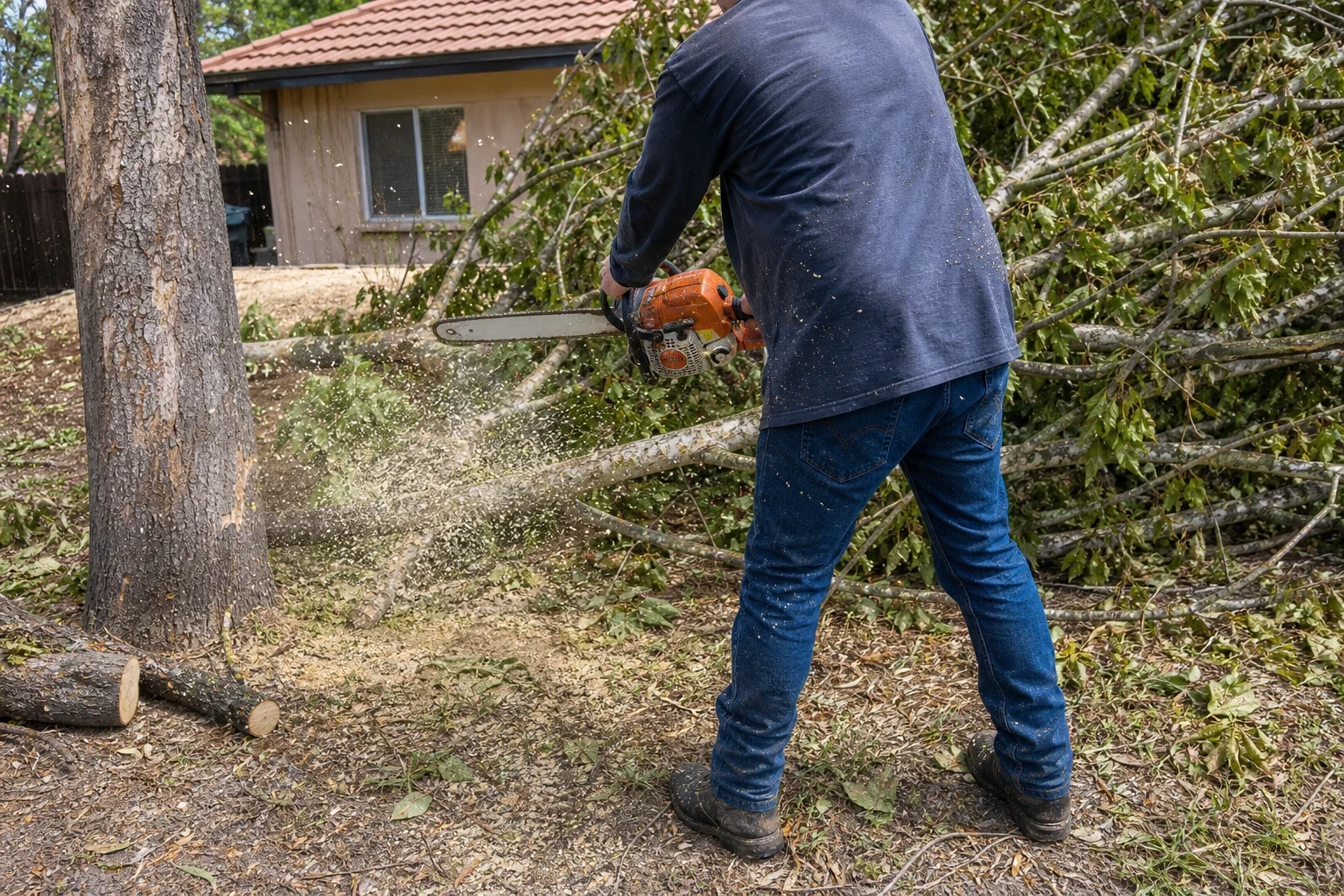
Careful trimming, and removal when it is the honest answer
Most trees need thoughtful pruning, not removal. We cut back to the branch collar so wounds close cleanly, thin crowns so wind can pass through, and lift limbs away from the roof, the driveway and the walls of the house. We do not top trees or strip them bare. Both leave weak, crowded regrowth that tends to fail sooner.
Sometimes a tree is past saving: a hollow trunk, a heavy lean toward your home, or roots lifting a slab. When that is the case we tell you plainly and take it down in controlled sections, lowering wood with rope instead of dropping it across the yard. Laurel oaks, common across Central Florida, often reach this point years before a live oak would.
Tree work depends on weather and equipment, so we set dates we can keep. You will know the day, the arrival window and roughly how long we expect to be on site.
What our tree work includes
- Structural pruning
- Removing crossing, rubbing and weakly attached limbs while a tree is young prevents much bigger cuts later. We shape for strength first and appearance second.
- Crown thinning and clearance
- Selective thinning lets wind and light move through the canopy, which matters when summer storms roll in. We also raise limbs over walkways and the driveway and keep branches clear of the roof line.
- Deadwood and hanging limbs
- Dead branches and broken limbs caught in the canopy come down before they fall on their own. Where heavy Spanish moss is weighing down weak limbs, we thin it as we go.
- Sectional tree removal
- In tight spaces we take a tree down piece by piece with rigging, lowering each section to the ground. Fences, beds, the pool cage and the house stay out of harm's way.
- Permit check before we schedule
- Some trees need city approval before they can be removed, depending on species, size and location. We check before booking the work and help with the application when one is required.
- Cleanup and wood hauling
- Branches are chipped, logs are cut and hauled, and the lawn and hardscape are raked and blown. If you want the stump gone too, we can add stump grinding to the same visit.
Signs a tree needs attention
Limbs over the roof
Branches resting on or hanging over shingles scrape the surface, drop debris into valleys and become a real risk in high wind.
Dead or bare branches
Limbs that stay leafless while the rest of the tree is green are dead wood. They get brittle and can drop without warning.
Cracks, cavities or fungus at the base
Mushrooms or shelf fungus near the trunk, deep splits and soft, hollow spots often point to decay inside. These trees deserve a close look before the next storm season.
A new or worsening lean
A tree that has leaned the same way for decades is usually stable. A lean that appears suddenly, especially with cracked soil or lifted roots on one side, is not.
Storm damage
Torn limbs, split leaders and branches hung up in the canopy should come down carefully and soon. We schedule these visits as quickly as our calendar allows and tell you the realistic date up front.
How a tree job runs
- 1
Walkthrough and free estimate
We walk the property with you, look at each tree and explain what we would cut and why. You get a written, line-item estimate and a straight answer on whether to trim or remove.
- 2
A date and an arrival window
We give you a work day and a morning or afternoon window, plus how long the job should take. If a storm or an equipment issue moves the date, we call you as soon as we know and offer the next open day.
- 3
Protecting the yard on the day
Before the first cut we lay ground mats where equipment crosses the lawn and move pots and furniture out of the work zone. Heavy wood is lowered on ropes, not dropped onto turf or beds.
- 4
Cleanup and a final look
We chip brush, haul wood and blow off the driveway and walks. Then we walk the yard with you so you can see the finished cuts before we leave.
What moves the cost of tree work
We price each tree only after seeing it in person. If a bigger project makes sense to spread out, we offer financing of up to $100,000, with repayment terms anywhere from 2 to 12 years and no penalty if you pay it off early. Your estimate lists every tree and every task on its own line, so you can choose what to do now and what can wait.
- Access and what sits below
- Open yards with a clear drop zone go faster. Trees over the house, a pool cage, fences or the service lines to your home need sectional rigging and more care.
- Height and canopy spread
- A tall oak with a wide crown takes more climbing, rigging and time than a small ornamental. A thicker trunk also means more wood to cut and carry out.
- Condition of the tree
- Decayed or storm-split wood behaves unpredictably, so it takes slower, more controlled work to bring down safely.
- Debris, stump and permit
- Hauling all the wood, leaving firewood, grinding the stump and any required permit each change the total. We list them separately so nothing comes as a surprise.
Tree trimming and removal questions
Something not covered here? (407) 783-8044
When is the best time to trim trees?
The cooler, drier months from late fall through winter suit most shade trees, and finishing before hurricane season starts in June means less loose wood when storms arrive. Dead or hazardous limbs are the exception. Those should come down whenever you notice them.
Will trimming hurt my tree?
Done correctly, no. We cut at the branch collar and usually remove no more than about a quarter of the living canopy in one visit. Heavy topping or stripping a tree bare is what causes harm, and we do not do it.
Do I need a permit to remove a tree?
Sometimes. It depends on the species, the trunk size and where the tree stands on your lot. We check before the job is scheduled and help with the paperwork when approval is needed, so the work date is not held up later.
Can you remove a tree right next to my house or pool?
Yes. Close quarters are where sectional removal matters most. We rig and lower each piece by rope so nothing lands on the roof, the pool cage or your plantings.
What happens if it rains on my scheduled day?
Light rain rarely stops the work. Lightning, high wind or soaked ground that would rut the lawn will, and in that case we call you before the arrival window with a new date rather than leaving you waiting.
Do you also trim palms?
Palms are pruned differently from hardwoods, so we cover them on our Palm Tree Pruning and Removal page. We are happy to handle both types of tree on the same visit.
Put your trees on the calendar
Your call gets you a free estimate and an on-site walkthrough. We will look at each tree with you, give you an honest answer, and set a date you can plan around.